
The real numbers behind a failed leadership hire, and why the smallest number is the one everyone quotes
The numbers here are sobering, but they're not really the point. What they prove is simpler: the quality of a hiring process determines the quality of the people who end up leading a business. A rushed process or an interview built on gut feel shows up eventually, just not on the balance sheet where it's easy to see. The businesses that treat a leadership hire as a genuine business decision, not just a vacancy to fill, are the ones that avoid becoming a case study in what a bad one costs. Better hiring decisions build stronger businesses. Here's what the data shows.
Ask a business leader what a bad hire costs, and the answer usually starts with a number: the salary, maybe redundancy pay, maybe the recruiter's fee. That's the smallest part of the bill, and at leadership level, it isn't close.
A minimum of 30% of first-year salary is the long-standing benchmark HR and recruitment research uses as the reference point for a bad hire. Research from the Society for Human Resource Management puts the real range at 50% to 200% of annual salary depending on seniority, with C-suite and executive hires at the top of that band.
That range covers more than salary and severance. It includes the people who disengage because they've lost confidence in who's leading them, and the decisions that stop getting made because nobody's sure enough to commit to them. Most of it never shows up as a single number, it shows up a year later, when nobody can point to exactly when the drift started.
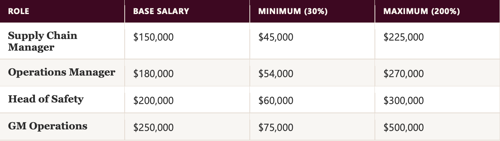
That's before counting what it cost to find them: search fees, advertising, interview time, months of a hiring manager's attention. A genuine guarantee period protects against paying that fee twice if a placement doesn't hold early on. What it doesn't cover is everything else on the list above, the lost momentum, the team's confidence, the decisions that didn't get made, none of which comes back with a replacement, guaranteed or not.
A poor hire in an individual contributor role is usually visible within weeks. A poor hire in a leadership role can look fine for months, because the damage isn't in their own output, it's in the decisions they make and the direction they set.
Leadership IQ's long-running study, tracking more than 20,000 employees, found that 46% of new hires fail within 18 months, and that 89% of those failures come down to attitude, judgement and fit rather than a lack of skill. At leadership level, that's not a problem a quarterly review catches. It's already had 18 months to compound by the time it's visible.
None of the figures above capture the real damage, because it compounds. The manager two levels down starts making smaller, safer decisions. The best people on the team quietly update their resumes, not because they've been mistreated, but because they can see where this is heading before anyone above them admits it.

This isn't an argument for slower hiring, more interviews just buy more time to not notice the same problem. What protects a business is weighting the process toward judgement, fit and how someone makes decisions under pressure, not just what they've done before, and doing that before the offer goes out, not six months after it stops working.
Sources: Society for Human Resource Management, Human Capital Benchmarking Reports · Leadership IQ, “Why New Hires Fail” (20,000+ employees tracked)
If you're building your team, reviewing your hiring process, or simply enjoy practical insights on leadership and hiring, follow Corine Duke Recruitment or connect with Corine on LinkedIn.